Enteral Feeding & TPN
at Edmonds Villa
Expert J-tube, G-tube, and Total Parenteral Nutrition (TPN) management with proper nutrition protocols and trained staff. Our 6-bed adult family home provides personalized attention in a comfortable, homelike environment.
Expert Tube Feeding & TPN
in a Home Setting
Enteral feeding through G-tubes and J-tubes, as well as Total Parenteral Nutrition (TPN), provides essential nutrition for patients who cannot safely eat by mouth or need supplemental nutrition. According to the American Society for Parenteral and Enteral Nutrition (ASPEN), proper nutrition support management requires trained caregivers and consistent protocols.
At Edmonds Villa, we've developed specialized capabilities in both enteral feeding and TPN. Our trained staff, proper equipment, and intimate setting allow us to provide the care that many facilities cannot accommodate.
Finding appropriate care for complex medical needs can be challenging. Many assisted living facilities lack the training and protocols needed. Edmonds Villa fills this gap with specialized care in a true home environment.
Discuss Your Needs →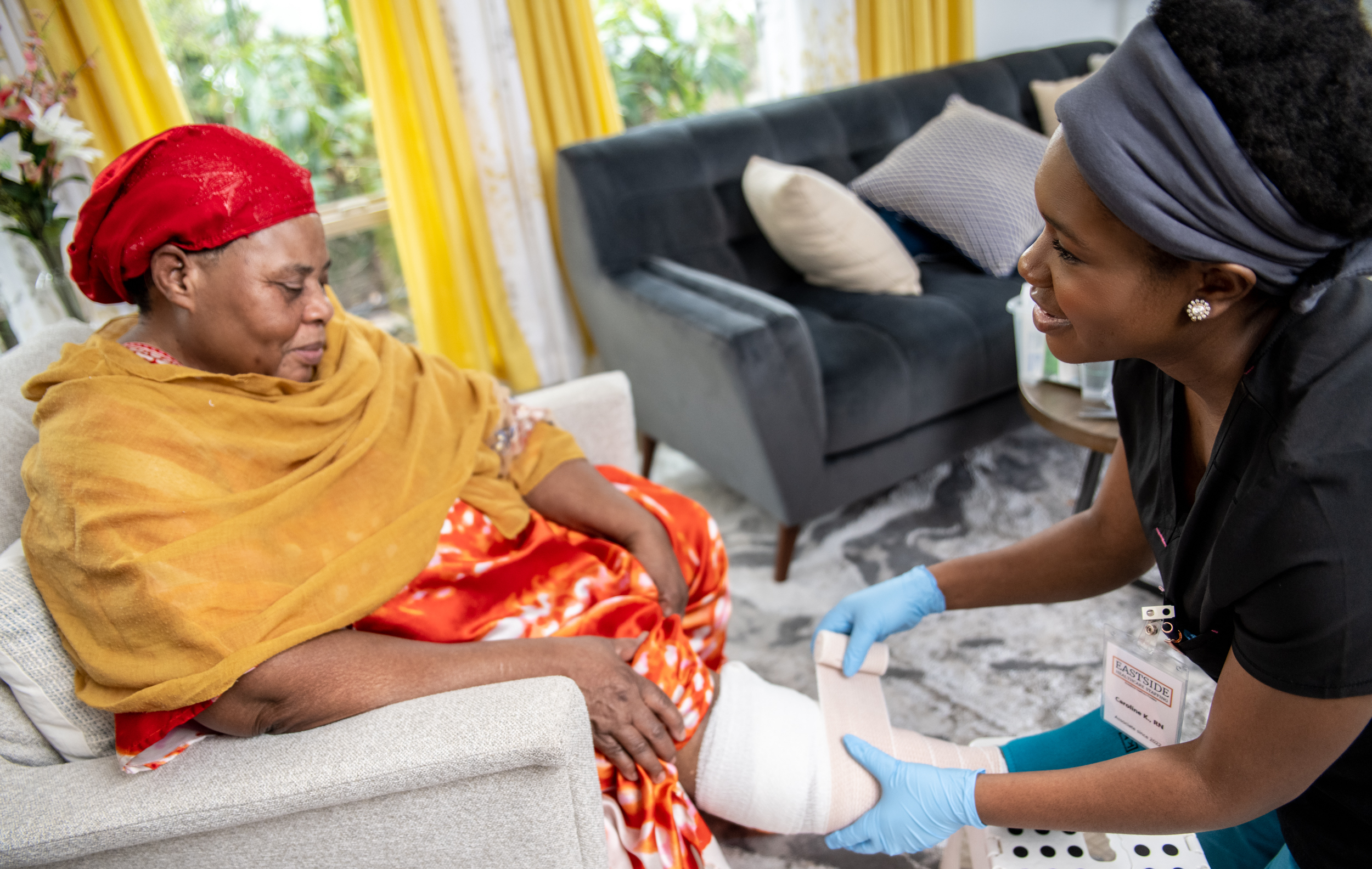
Home Setting
Comprehensive nutrition support from trained staff in our specialized adult family home
Our enteral feeding and TPN capabilities include:
- Proper tube feeding and TPN administration following prescribed schedules
- Tube site care and maintenance to prevent infection
- Monitoring for complications including aspiration and displacement
- Coordination with dietitians for formula and schedule optimization
- Weight and tolerance monitoring with regular reporting
- Emergency response protocols for tube-related issues
Our nursing staff provides medical oversight while our caregivers deliver hands-on support with dignity and compassion. The small 6-bed setting ensures consistent caregivers who know each resident's unique needs.
Personalized Attention
for Complex Needs
The National Institute on Aging suggests that smaller care settings often lead to better resident satisfaction. For enteral feeding, this personalized attention matters even more.
Specialized Training
Our staff receives specific training in enteral feeding, going beyond basic certification to ensure competent, confident care.
Consistent Caregivers
With only 6 residents, your loved one is cared for by staff who know their specific needs, preferences, and routines.
Nursing Oversight
Licensed nurses (RN/LPN) provide medical supervision, medication management, and coordination with physicians.
Home Environment
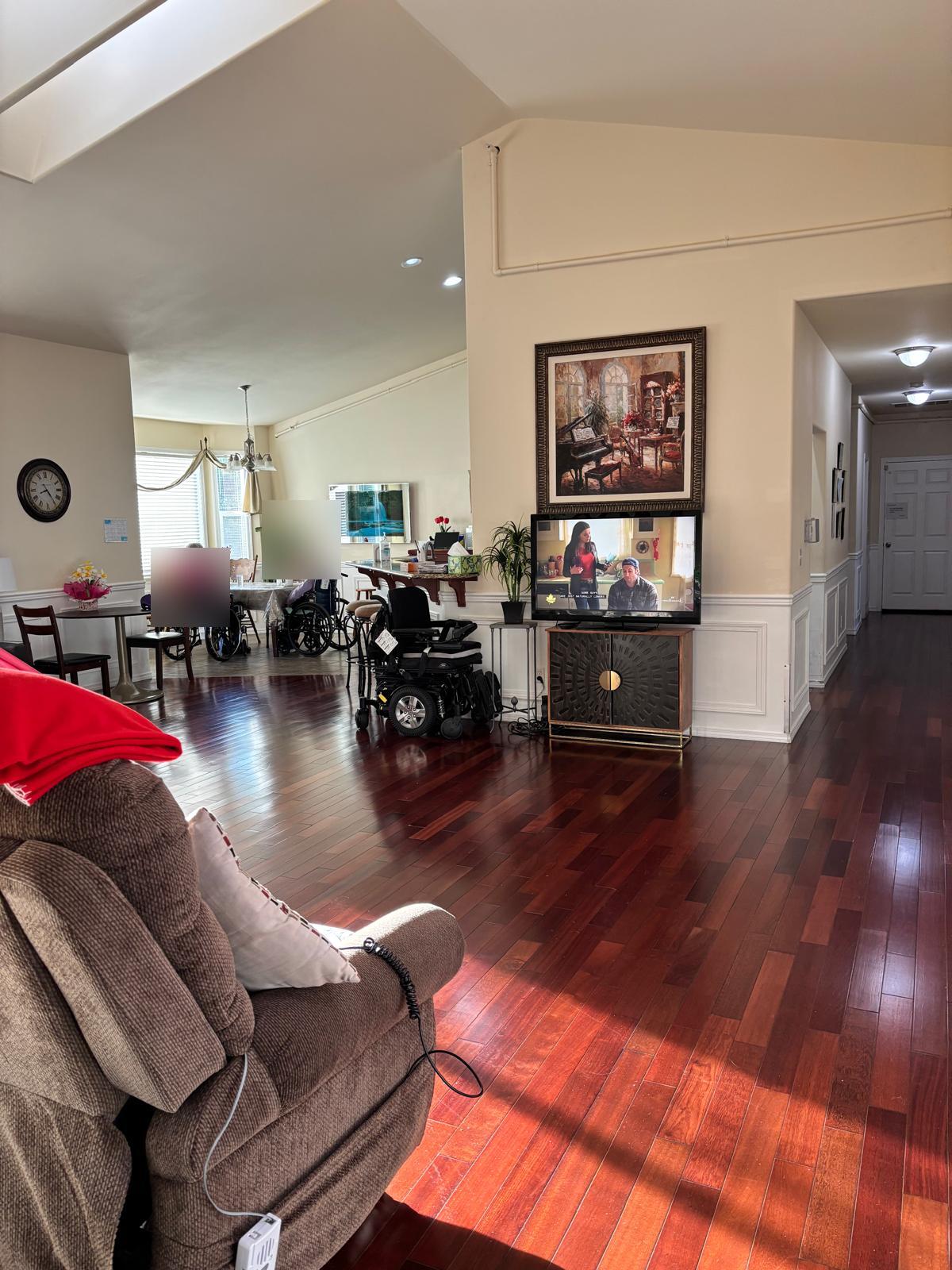
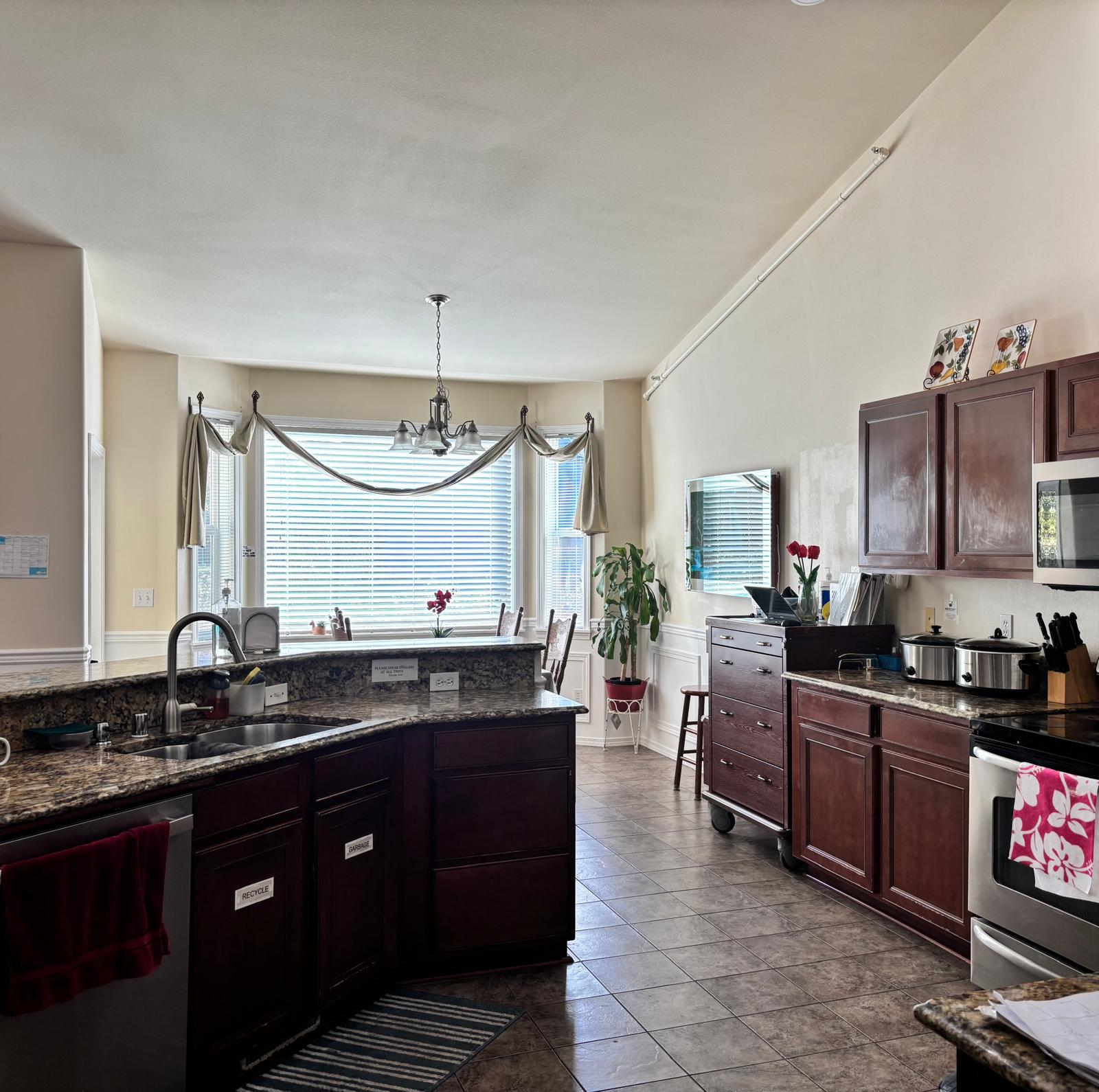
Real home setting with home-cooked meals, comfortable spaces, and the dignity of living in a house, not a facility.
Enteral Feeding Throughout the Region
We serve families from communities throughout South Snohomish County and North King County
Understanding High-Acuity Adult Family Home Care
High-acuity care represents a specialized level of medical support that goes beyond what traditional assisted living facilities typically provide. According to the Centers for Medicare and Medicaid Services, patients with complex medical needs often require skilled nursing oversight, specialized equipment, and caregivers trained in specific medical procedures.
At Edmonds Villa, we bridge the gap between standard residential care and institutional skilled nursing facilities. Our approach combines the medical capabilities necessary for high-acuity patients with the warmth, personalization, and dignity of a true home environment. This unique combination is what sets adult family homes apart from larger facilities.
The Adult Family Home Difference
Washington State licenses adult family homes through the Department of Social and Health Services (DSHS). These homes are limited to six residents maximum, ensuring an intimate care environment where staff truly know each resident as an individual. Research from the National Institute on Aging suggests that smaller care settings often correlate with higher resident satisfaction and better individualized care outcomes.
Unlike larger nursing facilities where staff may rotate frequently and residents can feel like numbers, adult family homes maintain consistent caregiving teams. This consistency is particularly important for high-acuity patients who may have complex medication schedules, specific positioning requirements, or behavioral needs that require familiarity and routine.
Medical Capabilities in a Home Setting
Edmonds Villa has invested in both equipment and training to serve high-acuity residents effectively. Our licensed nursing staff provides medical oversight including medication administration, wound care, vital signs monitoring, and coordination with physicians and specialists. We maintain relationships with local healthcare providers and can facilitate transportation to medical appointments.
The American Nurses Association emphasizes that skilled nursing oversight is essential for patients with complex medical conditions. Our nursing team ensures that medical needs are met while our caregiving staff provides the day-to-day personal assistance and companionship that contributes to quality of life.
Family Involvement and Communication
We believe families are essential partners in care. Regular communication keeps you informed about your loved one's condition, activities, and any changes. Families are welcome to visit, participate in care planning discussions, and stay connected with their loved ones. The AARP Caregiving Resource Center recognizes that family involvement contributes significantly to positive care outcomes.
Quality of Life Matters
While medical care is essential, quality of life encompasses much more. At Edmonds Villa, residents enjoy home-cooked meals rather than institutional food service, comfortable common areas for socialization, and activities adapted to their abilities and interests. Our residential neighborhood setting provides a peaceful environment that promotes healing and well-being.
Research shows that meaningful activities and social engagement benefit all older adults. We incorporate activities into daily life that provide cognitive stimulation, social connection, and enjoyment.
Making the Right Choice
Choosing a care facility for a loved one with high-acuity needs is a significant decision. We encourage families to tour multiple facilities, ask questions, and trust their instincts. The right fit involves not just medical capabilities but also the feeling you get when you walk in the door. At Edmonds Villa, we strive to create an environment that feels welcoming, professional, and genuinely caring.
Contact us to schedule a tour and see firsthand how Edmonds Villa provides specialized high-acuity care in a true home environment. Our team is happy to answer your questions and discuss whether we might be the right fit for your family's needs.
What types of feeding tubes and nutrition support does Edmonds Villa provide?
We support patients with gastrostomy tubes (G-tubes), jejunostomy tubes (J-tubes), PEG tubes, and Total Parenteral Nutrition (TPN). Our staff is trained in proper administration techniques, tube care, TPN management, and monitoring for complications.
How does Edmonds Villa manage tube feeding and TPN schedules?
We follow physician-prescribed feeding schedules precisely, whether continuous or bolus feeding, or TPN administration. Our staff monitors tolerance, adjusts positioning, and communicates any concerns to the healthcare team.
What training do caregivers have for tube feeding and TPN?
Our caregivers receive specialized training in tube feeding administration, TPN management, tube site care, recognizing complications like aspiration risk or tube displacement, and emergency procedures.
Can residents with feeding tubes or TPN also eat by mouth?
This depends on individual care plans. Some residents receive supplemental tube feeding or TPN while also eating orally. We follow speech therapy and physician recommendations for each resident.
How does Edmonds Villa coordinate with dietitians for nutrition support?
We work closely with registered dietitians to ensure appropriate formulas, volumes, and schedules for both enteral feeding and TPN. We monitor weight, tolerance, and nutritional status, reporting to the care team regularly.
Discuss Tube Feeding & TPN Needs
Every situation is unique. Contact us to discuss your loved one's specific needs and learn how Edmonds Villa can help.